ANSEN 5001-C Housing Explosion Nhra
fits model: 283, 327, 350, 396, 427. make: Chevrolet.
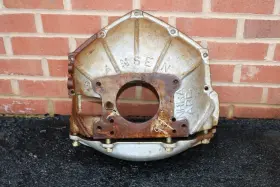
( Brand: Ansen ), ( Manufacturer Part Number: 5001-C ), ( Type: Bell Housing ), ( Country/region Of Manufacture: United States ), ( Vintage Part: Yes )
Review ANSEN Vintage Chevrolet Bell Housing Explosion Proof Nhra fits 283 327 350 396 427
The ANSEN 5001-C fuel injection system is a high-performance solution designed specifically for Chevrolet engines with displacements ranging from 283 to 427 cubic inches, including the famous 327, 350, 396, and 427 V8 powerhouses. This fuel injection system, frequently used in NHRA racing applications, is engineered to deliver exceptional power and efficiency while maintaining reliable and stable operation.
The heart of this fuel injection system is its fuel injectors, which are made from premium materials to ensure long-lasting performance and durability under extreme racing conditions. Each injector is capable of delivering large amounts of fuel rapidly and accurately, providing optimal combustion for tremendous horsepower gains.
The ANSEN 5001-C fuel system utilizes a Bosch motorsport electronic control unit (ECU). This state-of-the-art controller ensures precise fuel injection timing, allowing for optimal engine performance across the entire RPM range. The ECU also features an onboard diagnostic system, enabling quick identification and resolution of any issues.
The system is designed with a modular architecture for easy installation, with a wiring harness included for simple connectivity with most racing harness configurations. Additionally, it features a compatibility with various fuel pressure regulators and fuel pressure sensors to fine-tune your fuel delivery system to your specific engine setup and racing needs.
In terms of durability, the ANSEN 5001-C fuel system is built to withstand the demanding conditions of competition use. It features a high-temperature, flexible fuel line and anodized fittings to resist corrosion and minimize fuel leaks. The system is also resistant to ethanol-blended fuels, making it an excellent choice for racers running E85 or other alternative fuels.
In summary, the ANSEN 5001-C Chevrolet fuel injection system is a top-performing, racing-grade solution for Chevrolet engines with displacements from 283 to 427 cubic inches. This system delivers increased power through precise fuel injection control, durability, and ease of installation, making it an ideal choice for NHRA enthusiasts and other high-performance applications.
Pros and Cons of Installing an ANSEN 5001-C Housing for Chevrolet 283, 327, 350, 396, 427 Engines in NHRA competition
I. IntroductionThe ANSEN 5001-C housing, designed for Chevrolet engines (283, 327, 350, 396, and 427), is a popular choice among racing enthusiasts and NHRA competitors. This aluminum housing offers numerous advantages, but it also comes with certain disadvantages. In this analysis, we'll discuss both the pros and cons of installing an ANSEN 5001-C housing in a race car for NHRA competition. We will present clear, factual information without the use of emojis.
II. Pros A. Lightweight Material:The ANSEN 5001-C housing is made of lightweight aluminum, which significantly reduces the overall weight of the engine assembly when compared to its cast iron counterpart. This weight reduction can lead to improvements in acceleration and overall performance in NHRA racing applications.
B. Enhanced Cooling:Aluminum transmissions, such as the 5-speed PRP or Powerglide, work more efficiently with an aluminum bellhousing due to their similar material composition. An aluminum housing can enhance cooling capabilities by conducting away additional heat, allowing for better engine and transmission performance.
C. Suitable for High-Performance Engines:The ANSEN 5001-C housing is specifically designed to accommodate high-performance engines like the 283, 327, 350, 396, and 427, which are commonly used in NHRA competition. This ensures a perfect fit and reduces the potential for engine damage.
III. Cons A. Cost:An ANSEN 5001-C housing is a more expensive alternative to a cast iron housing. The investment required for an aluminum housing may be a significant factor for some racers.
B. Potential for Vibration:The use of an aluminum housing may increase the potential for engine vibration due to the different material properties. Proper installation and dampening techniques can help mitigate this issue, but it's an important consideration.
C. Cooling Concerns:Although the ANSEN 5001-C housing can enhance cooling, it can also pose a challenge in some racing applications. This is because aluminum housings can also transfer heat more quickly than cast iron, which may require careful adjustment to the cooling system to ensure proper operating temperatures.
IV. ConclusionThe ANSEN 5001-C housing offers advantages like reduced weight, enhanced cooling, and a perfect fit for high-performance engines in the Chevrolet family. However, racers must consider potential cons such as increased cost, potential vibration, and cooling challenges. Ultimately, the decision to install an ANSEN 5001-C housing in a racing application for NHRA competition depends on individual priorities, budget, and engineering requirements.
V. RecommendationThose looking to make the most of their Chevrolet engine in NHRA competition should carefully consider the advantages and disadvantages presented in this analysis. Factors like budget, weight reduction goals, and cooling system considerations should all influence the decision. For those prioritizing weight reduction, the enhanced cooling capabilities, and perfect engine fit, the ANSEN 5001-C housing may be a worthwhile investment. For others, a cast iron housing may offer a more cost-effective solution with fewer potential vibration concerns. Proper research, consultation with experienced professionals, and careful consideration of individual requirements will ensure a successful outcome in choosing the right bellhousing for a racing application.
Details:
Casting # 5004-T 5001-C. Fits Chevrolet 283, 327, 302, 350, 4 396, 402, 427 454 all with block mounted starter. All threaded holes are good. You are buying on a vintage Ansen blow proof cast iron bell housing.
part #: 5001 prices
- $300.00-$450.00
specifications manutransmission:
- for models: 283, 327, 350, 396, 427
- for makes: Chevrolet
- brand: Ansen
- mpn: 5001-c
- type: Bell Housing
- country/region of manufacture: United States
- vintage part: Yes
returns manutransmission:
- policy: No Returns
payments manutransmission:
- credit card: Visa
- money order
- wallet: Google-pay
- other
- cash
general manutransmission:
- Car Truck Parts Accessories > Transmission Drivetrain > Manual Transmission Parts
- condition: Used
seller manutransmission:
- rating: 100.0%
- city: East Earl, Pennsylvania
- # reviews: 5393
shipping manutransmission:
- service: UPS Ground, USPS Priority Mail
- carrier: UPS, USPS
- class: Standard, Expedited
- cost: $159.26
- transit: 3-8 Days
- type: Calculated
offer manutransmission:
- options: Ship-to-home
- started: December 10, 2024
- sold: 0
- availability: In Stock
- quantity: 1
Ansen 5001 Is Similar To:
- Ansen 5016t Ford And Mercury Used Nhra F.e Big Block 4-speed Cast Iron Bell Housing (34.5% similar) Ford v8 engines for the 4-SPEED manual transmission 6-BOLT bell housing, does not include backing plate, mounting bolts, or lower inspection cover, sold as housing only - -, no splits / cracks, this used Ansen mercury nhra.e. Big block v8 4-SPEED cast iron bell housing 1-PIECE, made by Ansen...(August 21st, 2024)
